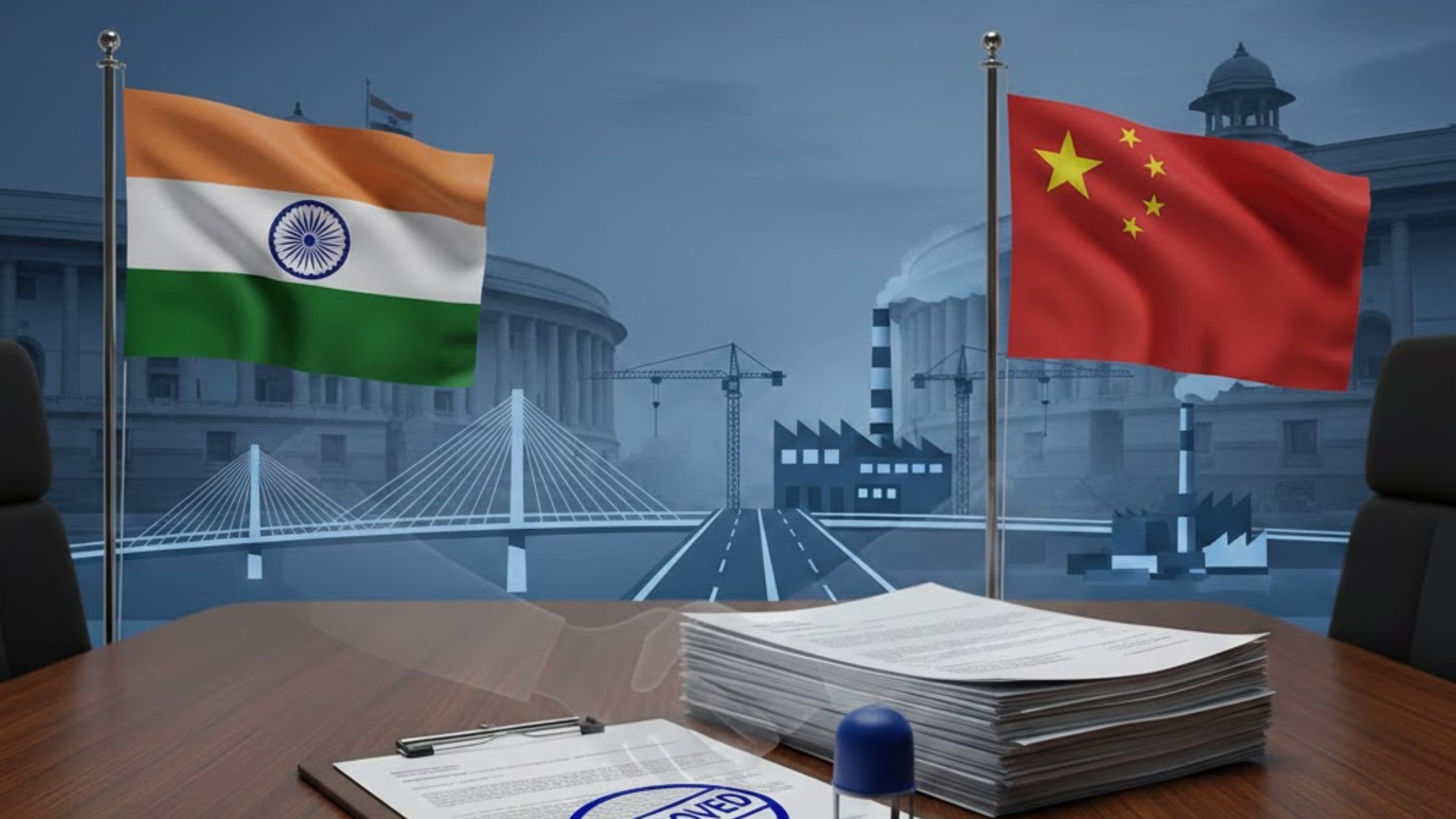
India appears to be on the cusp of a significant adjustment in its India China trade strategy, with reports suggesting a potential relaxation of restrictions on Chinese companies bidding for government contracts. Should this policy come to fruition, it could mark a pivotal moment in India China policy, potentially influencing everything from infrastructure development and foreign investment to the broader economic relationship between these two Asian powerhouses. This article delves into the context, specific policy considerations, and the potential economic and strategic ramifications of such a decision, all while keeping a keen eye on both India trade policy and China trade policy.
The Genesis of Restrictions: Why Were Curbs Imposed?
Following the border tensions in 2020, India implemented stringent measures impacting Chinese investments and their involvement in public procurement. These actions were primarily driven by a desire to safeguard national security and lessen strategic dependencies that had built up over decades. By restricting participation in government-funded projects—particularly within critical sectors like infrastructure, telecommunications, and technology—the government aimed to promote domestic manufacturing and fortify supply-chain resilience against external shocks.
What’s on the Horizon: Proposed Changes
Recent policy discussions indicate that India is exploring whether a selective easing of these restrictions could foster economic growth without compromising national security. This nuanced approach suggests a more pragmatic India China policy, carefully balancing economic imperatives with strategic caution. The proposed changes are expected to follow a structured framework to ensure safety while allowing for economic efficiency.
| Feature | Description of Proposed Change |
|---|---|
| Scope of Relaxation | Partial lifting of curbs specifically targeting Chinese firms in non-sensitive areas. |
| Sector Focus | Prioritizing collaboration in sectors with minimal security risks. |
| Compliance | Implementation of rigorous security checks and multi-layered approval processes. |
| Mechanism | A case-by-case clearance system rather than a blanket approval. |
Reshaping India China Trade Relations: The Potential Impact
Such a move could significantly alter the dynamics of India China trade in several ways. On one hand, Chinese involvement could expedite the execution of large-scale infrastructure projects and enhance competition, potentially leading to more competitive bidding and reduced project costs. Furthermore, India could gain access to advanced manufacturing techniques and technologies, providing a boost to foreign direct investment.
However, these potential benefits are shadowed by significant concerns. There is a persistent worry regarding increased reliance on Chinese supply chains and the potential for security vulnerabilities in strategic sectors. Additionally, local industries might face heightened competition, putting pressure on domestic players. Experts suggest that the government is likely to permit participation only in sectors where China import to India already plays a substantial role and where security risks are deemed minimal.
The Evolution of India Trade Policy
This decision reflects an evolving and increasingly pragmatic India trade policy. While the commitment to “Atmanirbhar Bharat” (self-reliant India) remains a top priority, there is a growing recognition that economic efficiency must be weighed alongside strategic protection. This shift does not indicate a complete reversal of safeguards; rather, it represents a carefully calibrated adjustment where selective global integration is used to drive domestic growth.
🇨🇳 China Trade Policy Perspective
From Beijing’s standpoint, an easing of restrictions aligns well with China trade policy, which typically emphasizes expanding into new overseas markets and securing significant infrastructure contracts globally. Strengthening economic diplomacy is a core pillar of their strategy, and Chinese firms would likely view this policy shift as a positive indicator of stabilizing business relations with India, potentially opening doors for long-term industrial cooperation.
What Could Change for China Import to India?
Currently, China import to India encompasses a wide range of goods, including electronics, machinery, Active Pharmaceutical Ingredients (APIs), and various industrial components. A relaxed policy could lead to several tangible changes in the trade landscape.
| Potential Change | Expected Outcome |
|---|---|
| Equipment Access | Increased import of specialized construction and industrial equipment. |
| Cost Efficiency | Improved availability of cost-effective machinery for Indian projects. |
| Project Timelines | Potential reduction in project delays due to better supply chain access. |
| Quality Control | Continued stringent import controls and quality checks to maintain standards. |
Striking a Strategic Balance: Economy vs. Security
India’s ongoing challenge involves finding the right balance between fostering economic growth, protecting its domestic industries, and ensuring national security. This policy review underscores India’s determination to maintain strategic autonomy while adapting to the realities of the global economic landscape. It is a testament to a maturing policy framework that seeks to leverage international partnerships without compromising on core national interests.
The Road Ahead: What to Expect Next
As the situation develops, a final government notification is eagerly awaited to provide clarity on the specific sectors and guidelines involved. It is expected that the security vetting framework will be further strengthened to handle the new influx of bids, and industry consultations will likely play a role in shaping the final rules. Until official confirmation, businesses are advised to closely monitor updates concerning India China trade, India China policy, and the evolving regulations for government contract bidding.
Why This Development Matters
This unfolding situation is crucial because it signals a potential shift in India trade policy that will have implications across infrastructure, manufacturing, and logistics sectors. Ultimately, these changes will undoubtedly influence the long-term economic relationship between India and China, shaping the economic map of Asia for years to come.