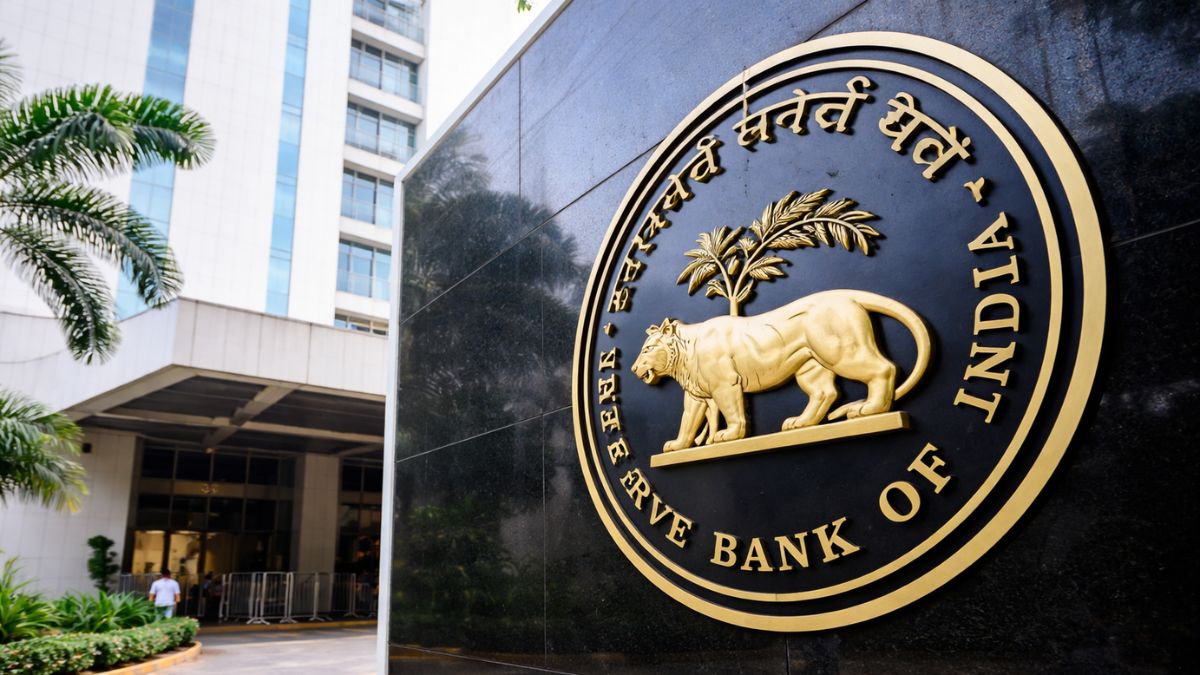
As the Reserve Bank of India (RBI) prepares for its upcoming RBI Monetary Policy Committee (MPC) meeting, attention is firmly on the central bank’s next move on interest rates. For millions of Indians managing home loans, personal loans, fixed deposits, and investments, the RBI’s decision plays a critical role in shaping financial outcomes.
Even if the policy rate remains unchanged, the RBI’s stance, commentary, and forward guidance often influence banks, markets, and consumer sentiment. Here is a detailed breakdown of what the next RBI interest rate decision could mean for borrowers, savers, and the broader economy.
Why RBI’s Interest Rate Decisions Matter So Much
The RBI uses the repo rate as a primary monetary tool to manage inflation while supporting economic growth. Changes in the repo rate affect how much it costs banks to borrow money from the central bank, which in turn impacts:
- Lending rates on home, car, and personal loans
- Fixed deposit and savings account interest rates
- Credit availability for businesses
- Inflation control and consumption patterns
Even a decision to maintain the current rate can carry strong signals about future policy direction.
Current Economic Context Ahead of the Policy Meeting
India’s economic environment remains mixed. While domestic consumption has shown resilience, global uncertainties such as geopolitical tensions, crude oil price fluctuations, and international interest rate trends continue to pose challenges.
Inflation has moderated compared to earlier peaks but remains sensitive to:
- Food prices
- Fuel costs
- Global supply chain developments
In this backdrop, the RBI is expected to carefully balance price stability with the need to support economic growth.
Possible Impact on Home Loans and EMIs
Scenario 1: Interest Rates Remain Unchanged
If the RBI maintains the current policy rate:
- Existing home loan EMIs are likely to stay stable
- New borrowers may continue to get loans at current interest levels
- Banks may delay passing on any benefits until there is more policy clarity
For long-term borrowers, stability offers predictability in financial planning.
Scenario 2: RBI Signals Future Rate Cuts
Even without an immediate rate cut, a softer policy stance could:
- Encourage banks to reduce lending rates gradually
- Improve affordability for new home buyers
- Support real estate demand over time
Such signals often influence borrower sentiment well before actual rate changes.
What the Policy Decision Means for Personal and Vehicle Loans
Personal and vehicle loans are more sensitive to policy signals because of their shorter tenure.
- Stable rates keep EMIs predictable
- Any tightening stance could make unsecured loans costlier
- Borrowers planning new loans should closely track post-policy announcements from banks
For consumers, avoiding rushed decisions based on speculation is generally advised.
Fixed Deposits and Savings: What Should Investors Expect?
For savers and fixed deposit investors, the RBI policy outcome is equally important.
If Rates Stay High for Longer:
- FD rates may remain attractive
- Senior citizens could benefit from higher interest income
- Banks may continue offering special deposit schemes
If Future Rate Cuts Are Indicated:
- Banks may gradually reduce FD rates
- Long-term deposit locking becomes more relevant
- Investors may consider diversifying into other low-risk instruments
The RBI’s inflation outlook plays a key role in determining how banks adjust deposit rates.
Impact on Equity and Bond Markets
Financial markets react not only to interest rate changes but also to the RBI’s tone.
- A growth-supportive stance can boost equity market confidence
- A strong inflation warning may lead to cautious investor behaviour
- Bond yields respond quickly to policy expectations
Banking, financial services, and interest-rate-sensitive sectors often see immediate movement following policy announcements.
Borrowers vs Savers: Who Benefits More?
Borrowers:
- Prefer stable or declining interest rates
- Benefit from predictable EMIs and lower borrowing costs
- Gain confidence in long-term financial commitments
Savers:
- Prefer higher interest rates for better returns
- Benefit from strong FD and savings account yields
- Focus on capital preservation during uncertain times
The RBI’s challenge is to strike a balance that supports both groups without destabilising the economy.
Key Factors RBI Is Likely to Focus On
During the policy meeting, the central bank is expected to closely assess:
- Inflation trajectory and food price trends
- Global interest rate environment
- Economic growth indicators
- Credit demand and liquidity conditions
Any commentary on these factors often provides insight into the RBI’s medium-term strategy.
What Should Common Citizens Do Now?
Financial experts generally recommend:
- Avoiding major financial decisions based on speculation
- Reviewing loan agreements for reset clauses
- Maintaining a balanced savings and investment approach
- Staying updated with official RBI policy statements
Long-term financial planning should focus on fundamentals rather than short-term policy movements.
Why This Policy Decision Is Important for the Economy
The RBI’s monetary policy plays a crucial role in:
- Supporting sustainable economic growth
- Controlling inflation
- Maintaining financial system stability
A well-communicated policy helps businesses plan investments and households manage finances with confidence.
Final Takeaway
The upcoming RBI Monetary Policy Committee meeting is a significant event for borrowers, savers, investors, and businesses alike. While major interest rate changes may not always occur, the RBI’s guidance offers valuable insight into the future direction of the economy.
Understanding how interest rate decisions impact loans, savings, and markets empowers citizens to make informed financial choices in an evolving economic environment.



Hi there! I just wish to give you a huge thumbs up for your great info you have here on this post.
I will be coming back to your website for more soon.