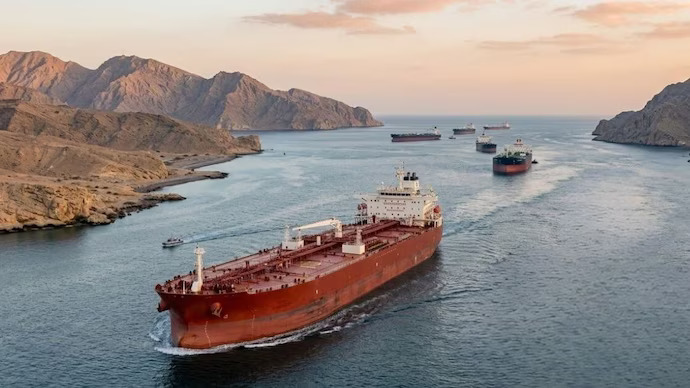
The Strait of Hormuz, one of the world’s most strategic maritime chokepoints, has once again become the center of global attention amid the escalating Iran Israel US war and rising tensions in the Middle East. In a significant development, two India-flagged LPG tankers Shivalik and Nanda Devi successfully crossed the Strait of Hormuz, ensuring continued energy supplies to India during a time of geopolitical uncertainty.
The safe passage of these vessels highlights the importance of diplomacy, maritime security, and regional cooperation as global energy routes face disruption due to the ongoing Middle East crisis.
Why the Strait of Hormuz Matters for Global Energy
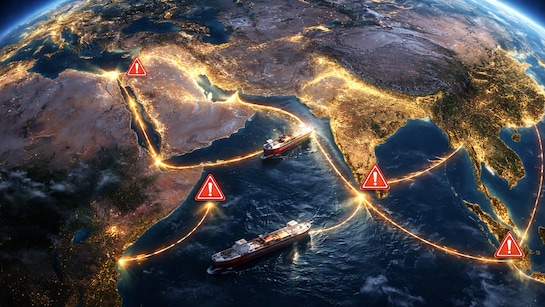
The Strait of Hormuz connects the Persian Gulf with the Arabian Sea and serves as a crucial corridor for global energy transit. Nearly 20% of the world’s oil and liquefied natural gas shipments pass through this narrow waterway, making it one of the most important shipping routes on the planet.
For India, the route is even more vital because a large share of its energy imports from the Middle East travels through the strait. Any disruption in this region can directly affect fuel prices, supply chains, and economic stability.
Recent military tensions involving Iran, Israel, and the United States have caused severe disruptions in maritime traffic in the area, raising concerns about energy security for many Asian economies, including India.
India-Flagged LPG Tankers: Shivalik and Nanda Devi
The two vessels, Shivalik and Nanda Devi, are India-flagged LPG tankers operated by the Shipping Corporation of India (SCI). These ships were carrying large quantities of liquefied petroleum gas essential for India’s domestic consumption.
Shivalik was reportedly loaded with about 40,000 metric tons of LPG.
Nanda Devi was also transporting a significant amount of gas supply to India.
Their journey through the Strait of Hormuz came at a time when hundreds of vessels had been stranded in the region due to security concerns following military strikes and retaliatory actions in the Gulf.
The successful transit demonstrates that energy shipments can still move through the strait with careful coordination and diplomatic efforts.
New Delhi-Tehran Talks Secured Safe Passage
The safe passage of the Indian vessels was not accidental. It followed intense New Delhi-Tehran talks focused on maritime security and protecting energy shipments.
India’s External Affairs Minister S Jaishankar reportedly held multiple discussions with Iranian Foreign Minister Seyed Abbas Araghchi to ensure the safety of Indian ships and seafarers in the region.
In addition, Prime Minister Narendra Modi also held talks with Iranian President Masoud Pezeshkian, emphasizing the need for stability, diplomacy, and safe shipping lanes.
Following these high-level diplomatic engagements, Iran permitted safe passage for India-bound vessels, reflecting the strong bilateral relationship between the two countries.
Safety of Indian Seafarers and Maritime Security
One of the major concerns during the crisis has been the safety of Indian seafarers working aboard commercial ships navigating the conflict-affected waters.
The Strait of Hormuz crisis has already resulted in attacks on several vessels and a sharp decline in maritime traffic in the region.
Because of these threats, India has intensified monitoring and coordination to ensure maritime security and protect its merchant fleet. Officials have also been working to secure passage for more than two dozen Indian vessels waiting near the strait.
Impact of the Iran Israel US War on Energy Transit
The ongoing Iran Israel US war has significantly affected global shipping routes and energy transit. Iran has used its strategic position near the Strait of Hormuz as leverage in the geopolitical conflict, temporarily disrupting tanker movements and causing uncertainty in global oil markets.
For India, the stakes are particularly high because around 90% of its LPG imports come from the Middle East. Any prolonged disruption could affect domestic fuel supply and increase import costs.
The safe arrival of vessels like Shivalik and Nanda Devi therefore provides critical relief for India’s energy security.
What This Means for India and Global Shipping
The successful crossing of the Strait of Hormuz by the Indian LPG tankers highlights several key takeaways:
Diplomacy can help ensure safe passage through conflict zones.
The Strait of Hormuz remains the world’s most important energy chokepoint.
Protecting maritime security and energy transit routes is crucial for global stability.
Cooperation between nations can help safeguard Indian seafarers and merchant vessels.
As tensions continue in the Middle East, global attention will remain focused on the Strait of Hormuz, where even small disruptions can have major economic and geopolitical consequences.
Frequently Asked Questions
What is the Strait of Hormuz and why is it important?
The Strait of Hormuz is a narrow waterway between Iran and Oman that connects the Persian Gulf to the Arabian Sea. Around 20% of the world’s oil and gas shipments pass through this route, making it one of the most critical energy transit corridors globally.
Why were the LPG tankers Shivalik and Nanda Devi in the news?
The India-flagged LPG tankers Shivalik and Nanda Devi, operated by the Shipping Corporation of India, recently crossed the Strait of Hormuz after diplomatic talks between India and Iran ensured safe passage amid the Iran-Israel-US conflict.
Why is the Strait of Hormuz important for India?
India imports a large share of its crude oil and LPG from the Middle East. Estimates suggest 35% to 50% of India’s crude oil imports are linked to shipments passing through the Strait of Hormuz, making the route crucial for India’s energy security.
How does the Middle East crisis affect global energy transit?
Conflicts such as the Iran-Israel-US war can disrupt shipping through the Strait of Hormuz, potentially increasing oil prices and affecting global energy supply chains.

2 thoughts on “Strait of Hormuz: India-Flagged LPG Tankers Cross Key Maritime Route Amid Middle East Crisis”